How to Identify and Address a Musty Smell From Carpet
What That Musty Smell Really Means
You walk into a room and catch it. A damp, earthy odor that hangs in the air and seems to settle into the fabric of everything. That musty smell from carpet is not just unpleasant. It is almost always a sign that something is wrong beneath your feet. In my years working with moisture problems in homes, I have learned to treat that odor as an early warning system. Ignoring it usually leads to bigger issues like visible mold growth, damaged subflooring, and even respiratory discomfort for the people living in the space.
When you smell that musty smell from carpet, the first question to ask is where the moisture is coming from. Carpet does not get musty on its own. It needs a consistent source of moisture to support the growth of fungus and mildew. That moisture might come from a slow pipe leak, a high water table under a basement slab, or even humidity that an overworked HVAC system cannot manage. I have seen cases where a small spill that was never fully dried led to a musty problem months later. The carpet padding underneath acted like a sponge and held the moisture against the subfloor, creating a perfect environment for spores to develop.
Once the moisture source is addressed, the next step is to assess how far the contamination has spread. A light musty smell from carpet might be resolved with thorough cleaning and drying. But if the odor is strong and has been present for weeks, there is a good chance that mold has colonized the carpet fibers, the padding, and possibly the subfloor. At that point, surface cleaning is not enough.
The Difference Between Surface Odor and Deep Contamination
Not every musty carpet means you need to tear everything out. Sometimes the smell is coming from the carpet itself, trapped in the fibers from a spill or from high humidity that was not managed quickly. In those cases, a professional steam cleaning combined with a HEPA vacuum can remove the odor-causing particles. The Carpet and Rug Institute recommends hot water extraction as the most effective method for cleaning carpets, and that is what I have found to work best in practice. But steam cleaning only works if the carpet and padding can be dried completely within a few hours. If the padding stays damp for more than 24 hours, the problem will return.
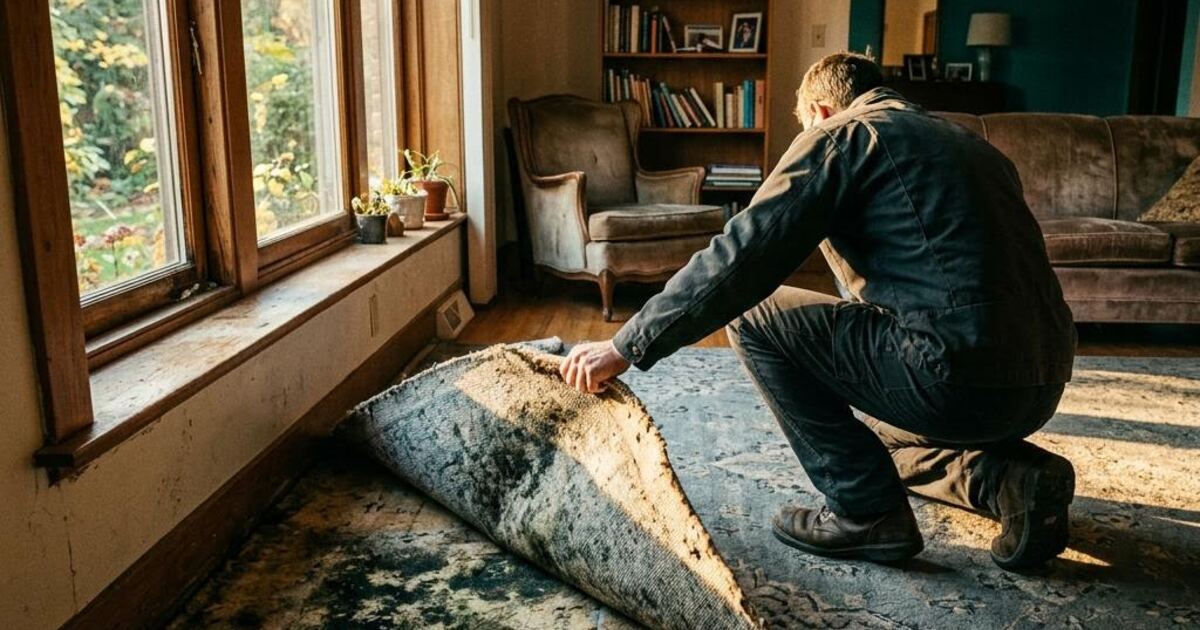
When the musty smell persists after cleaning, the contamination has likely reached the carpet padding or the subfloor. At that point, you need to pull back a section of the carpet to inspect. I have done this in many homes, and what we often find is black or green mold growing on the underside of the carpet and on the padding. The smell is stronger there because the spores are concentrated. Removing the padding and treating the subfloor with an antimicrobial treatment is usually necessary. In some cases, the subfloor itself needs to be replaced if the wood has started to rot from prolonged water damage.
Practical Steps for Homeowners and Property Managers
If you smell a musty odor in a room with carpet, do these things in order:
- Find and fix the moisture source first. Check for plumbing leaks, roof leaks, or condensation from an HVAC system. Use a moisture meter if you have one.
- Dry the carpet and padding as fast as possible. Use fans, a dehumidifier, and if the weather allows, open windows. Do not use bleach on carpet. Bleach can damage carpet fibers and may not kill mold deep in the padding. It also produces fumes that are harmful in enclosed spaces.
- Vacuum the carpet with a HEPA vacuum to remove loose spores and dust. Do this before any wet cleaning, so you are not pushing dirt deeper into the fibers.
- Consider professional mold remediation if the smell does not go away after drying and cleaning. A professional can test for hidden mold and use encapsulation methods to seal affected areas.
I have worked with property managers who tried to mask the odor with baking soda or air fresheners. That never works for more than a day. The musty smell comes from volatile organic compounds produced by the mold and mildew. Covering the smell does not remove the source. The mold keeps growing, and the problem gets worse.
Long-Term Prevention and Monitoring
Once you have resolved the immediate issue, the goal is to keep the carpet dry and the air moving. A dehumidifier in a basement or in a humid climate can keep relative humidity below 50 percent, which stops most mold growth. An air purifier with a HEPA filter can capture airborne spores and reduce the chance of them settling into the carpet. Regular leak detection is also important. I recommend checking under sinks, around toilets, and near the HVAC system at least twice a year. A small drip that goes unnoticed for weeks can create enough moisture to cause a musty smell and eventually visible mold.
Another factor that people overlook is the carpet itself. Some carpets are more resistant to moisture than others. The Carpet and Rug Institute has guidelines for choosing carpet for areas prone to moisture, such as basements. But even the most moisture-resistant carpet will fail if the padding underneath is not designed for wet conditions. I have seen expensive carpet ruined because the padding was standard and absorbed moisture like a sponge. If you are installing new carpet in a basement or a room with known moisture issues, use padding that is treated with an antimicrobial treatment and that allows air to circulate underneath.
When to Call a Professional
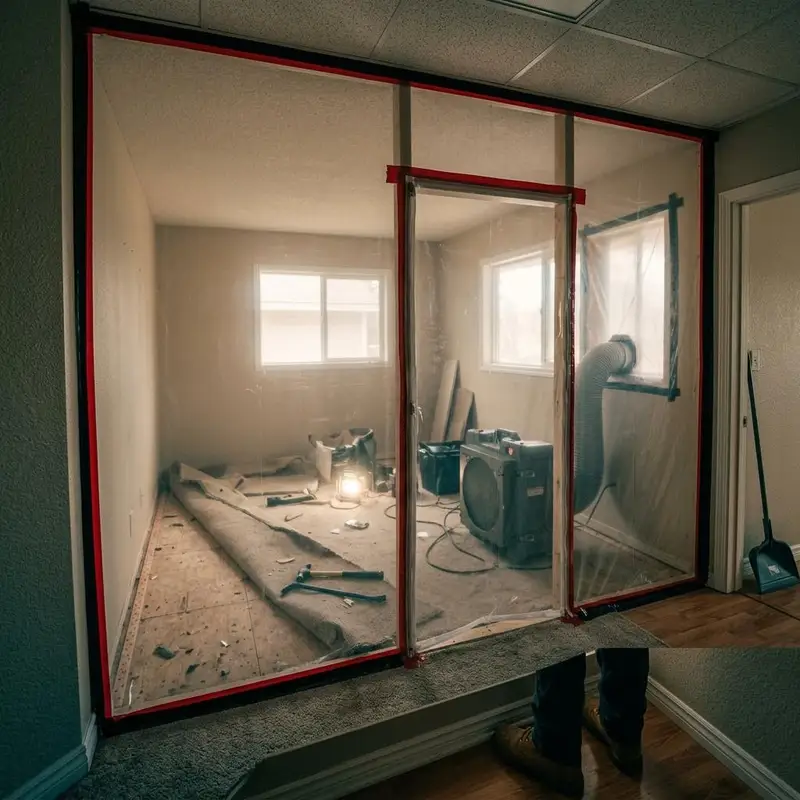
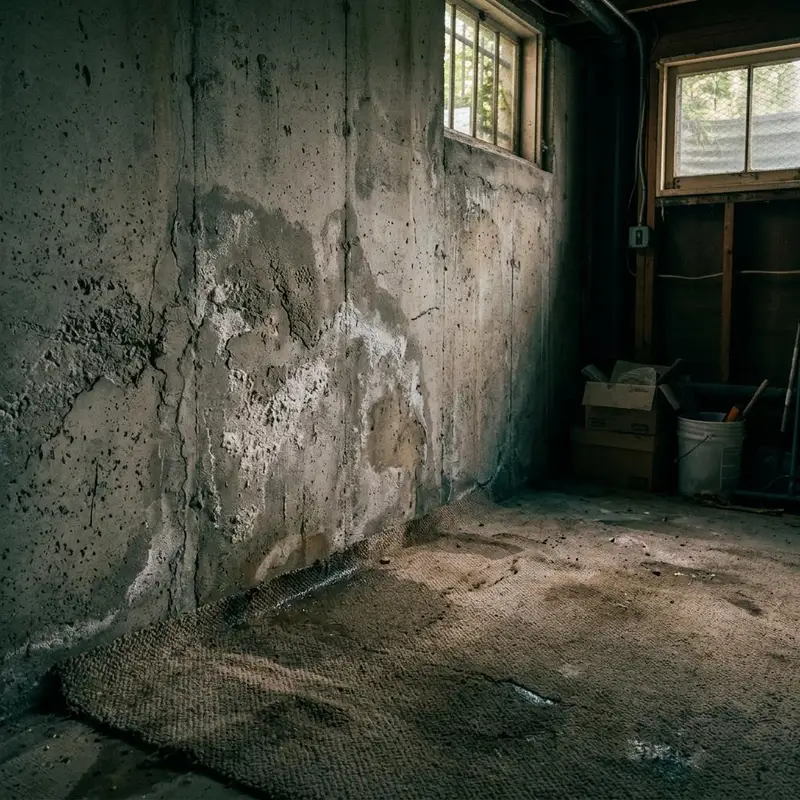
There are times when the musty smell from carpet is a symptom of a larger problem that you should not handle alone. If the carpet covers a concrete subfloor that has a moisture vapor issue, the moisture may be coming up through the slab. That requires a vapor barrier and possibly encapsulation of the concrete. A professional mold remediation company can test the carpet, the padding, and the subfloor for mold and determine the extent of the contamination. They can also use industrial drying equipment and antimicrobial treatments that are not available to homeowners.
I have also seen cases where the musty smell was coming from the HVAC system itself. The ductwork had mold growth, and the air blowing into the room was carrying spores that then settled into the carpet. Cleaning the carpet alone did not solve the problem. The HVAC system needed to be cleaned and treated first. A good inspection will look at the whole picture, not just the carpet.
Mold remediation is not always about removing everything. Sometimes the best approach is to clean the carpet thoroughly, apply an antimicrobial treatment to the padding and subfloor, and then encapsulate the area to prevent future moisture from reaching the carpet. Encapsulation involves sealing the subfloor with a moisture-resistant coating. It is a solution that I have used in several homes where the moisture source could not be fully eliminated, such as in a basement with a high water table.
Final Thoughts on That Lingering Odor
A musty smell from carpet is one of those problems that will not go away on its own. The longer you wait, the more the mold spreads, and the more expensive the fix becomes. I have seen small, manageable issues turn into full-scale remediation projects because someone thought a carpet deodorizer would handle it. It will not. The only way to truly get rid of the smell is to remove the moisture and clean or replace the affected materials. If you catch it early, you can often save the carpet and avoid major work. If you wait, you may end up replacing not just the carpet but the padding and subfloor as well.
Pay attention to that musty smell. It is your nose telling you that something is wrong. Listen to it, and act before the problem grows.